Begin with the object
See what was found, where it came from, and how it is dated. Every surviving text, fragment, and repeated copy adds a data point to explore.
A FIELD GUIDE TO BIBLICAL ARCHAEOLOGY
A name carved in stone. A blessing etched in silver. Follow the Bible’s narrative and discover the evidence connected to its pages.
Explore the Bible timelineBrowse the artifact gallery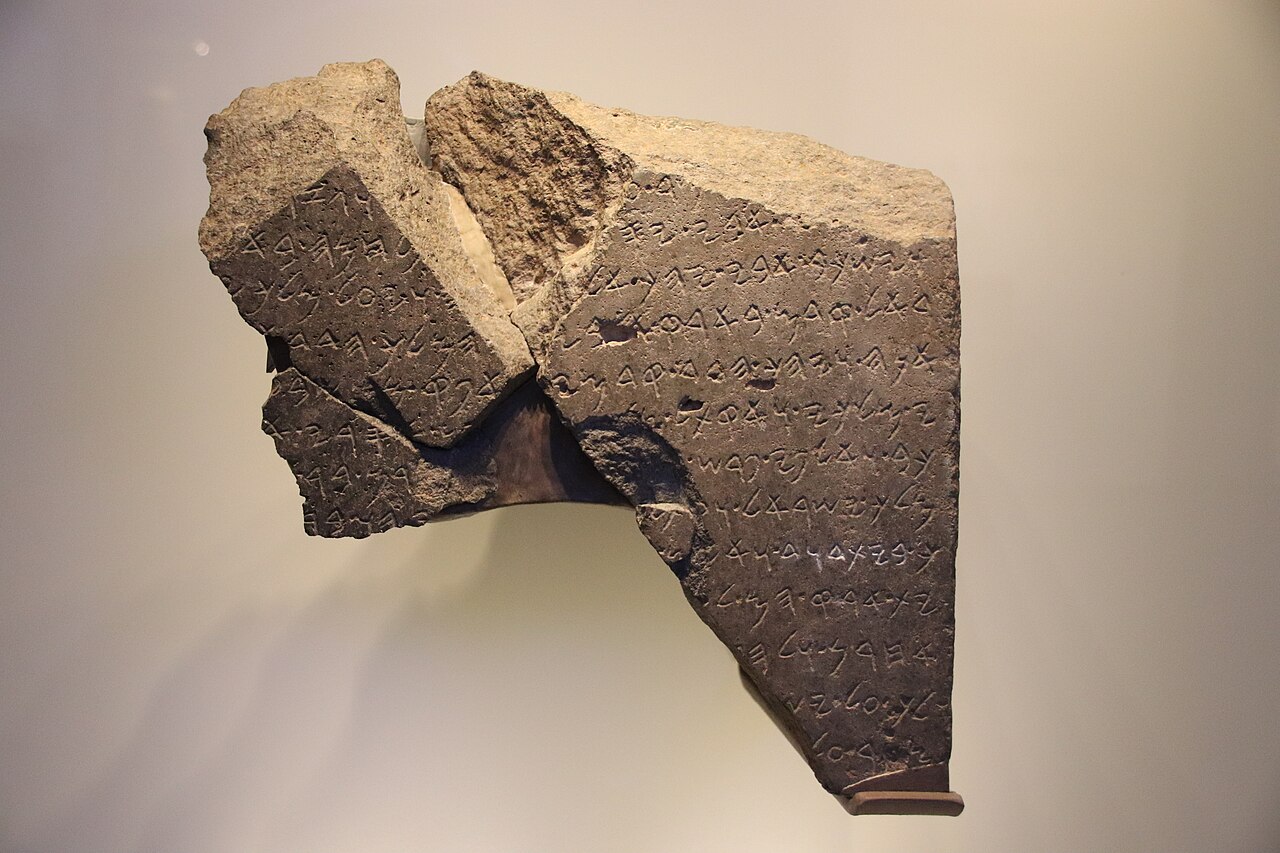
Small discoveries.
Extraordinary connections.
EXPLORE THE EVIDENCE
Six discoveries to begin your journey.
Each one opens a different window.
Try a name, place, or passage such as “Isaiah,” “Jerusalem,” or “Kings.”
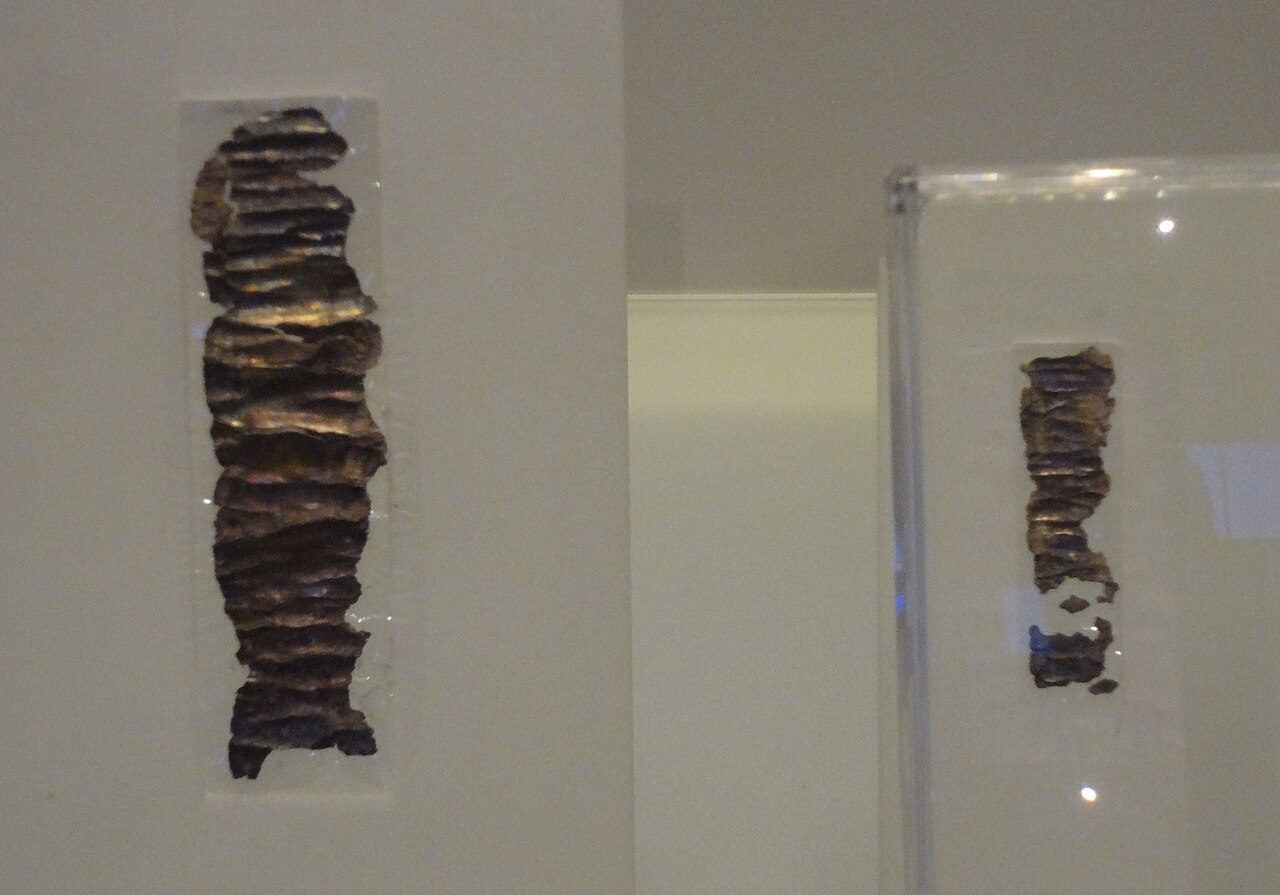 THE KETEF HINNOM AMULETS
LOOK CLOSER · NUMBERS 6
Two tiny silver amulets, discovered in a Jerusalem burial cave in 1979, carry language also found in the priestly blessing of Numbers.
“The LORD bless thee,
and keep thee”Numbers 6:24 · King James Version
These objects preserve an early form of a biblical blessing. Their connection to the text is remarkable; the date of the whole book of Numbers is a separate question.
THE REFERENCE NODE WORKSPACE
Genesis through Revelation.
Evidence and sources alongside the narrative.
Begin with a biblical stage, open a data point, and follow its passages, sources, and connections to other points.
Open the Bible timelineCURIOSITY, WITH CARE
Bring the discoveries together. Read the ancient material alongside the Bible, follow the sources, and form your own conclusions.
See what was found, where it came from, and how it is dated. Every surviving text, fragment, and repeated copy adds a data point to explore.
Read the relevant biblical passage alongside the discovery. Explore corresponding names, wording, places, customs, and events.
Read the ancient date and modern recovery history. Follow explanations of unfamiliar words, damaged passages, and published readings back to their sources.
Read museum records, archaeological research, and scholarly editions. Sources accompany each entry so that your exploration can continue.
A surviving copy, quotation, or parallel wording that helps scholars study a text’s history. A witness can preserve both continuity and variation.
An upright stone monument, often bearing an inscription or image. Royal stelae commonly commemorate victories or public acts.
Methods include excavation context, comparisons of letter forms and object styles, dated historical references, and scientific analysis where suitable. The most useful dates draw on several kinds of evidence.
Open a discovery, read its quoted Bible passage, and examine the ancient record and source links. Follow related discoveries to compare names, places, wording, and dates across the collection.